.png)
Women are making their mark in the global economic and leadership spheres.
Women are at the forefront of decision making in corporate boardrooms and in startup ecosystems, healthcare advocacy, sustainability innovation, and cultural representation. They are playing a major role in shaping institutions, industries, and setting long-term policies. Nonetheless, disparities in granting women equitable access to opportunities, funding, healthcare, and leadership roles are still getting resolved worldwide.
This issue of GWL Week Wrap presents an account of the week when women not only occupied leading roles but also fortified the systems that will allow future generations to take lead.
From aviation, entrepreneurship, healthcare, sustainability, arts to executive leadership, the changes announced this week show that women are becoming the main drivers of organizational transformation and economic growth. Governments, corporations, investors and global networks are creating better support mechanisms through funding initiatives, leadership development programmes, entrepreneurship grants, healthcare advocacy, and executive appointments. Meanwhile, groundbreaking movie achievements and sustainability solutions are continuing to change the discussion of representation and impact.
Together, these changes confirm that women are not just joining global progress, they are making the choices, driving the innovations, and providing the leadership models that will define the future.
Corporate Leadership: Executive Appointments Reflect a New Leadership Era
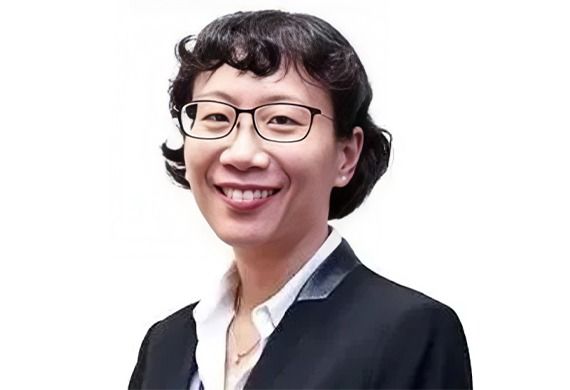 Large global companies and organizations are witnessing a major change of leadership pattern where women are taking up key executive roles in the fields of aviation, healthcare, technology, and regional business operations.
The appointment of JoAnn Tan as the Chief Financial Officer, a first-time for a woman in the position at the Singapore Airlines, is a step for the aviation industry. It is illustrating the change towards gender diversity at top leadership levels in one of the most competitive industries worldwide. Her promotion is an indicator of how females are gaining higher positions and greater authority in financial management of big international corporations.
In the same vein, Women's Mental Health Australia has named Katrina Locandro as its new Chief Operating Officer. Given that mental health is one of the most pressing public health issues globally, the appointment is a testament to how women leaders are contributing to the transformation of healthcare establishments and operational systems that prioritise community wellbeing and advocacy.
In the meantime, Emerson brought Zenab Abbas onboard as Marketing Director for the Middle East and Africa area. She will be in charge of regional marketing strategies and business expansion initiatives in key international markets through this position. The appointment likewise underscores the growing visibility of women leaders in industrial technology and engineering sectors that have traditionally been male-dominated.
Inclusive leadership was the push that kept on going in Southeast Asia as Deloitte Thailand started a dual strategy to raise the skill levels and expose women to the requirements and professional behaviour of corporate boards positions through their programme. The initiative is designed to not only increase women presence at board level, but also to provide women executives with governance knowledge, experience of being part of a mentorship programme, and leadership development at a strategic level.
These activities and appointments highlight the corporate ecosystem undergoing, on one hand, a widespread transformation, and on the other hand, the organisations are starting to perceive gender-diverse leadership not only as one form of representation, but also as a strategic requirement for achieving long-term growth and building institutional resilience.
Entrepreneurship & Startup Ecosystems: Expanding Capital Access for Women Founders
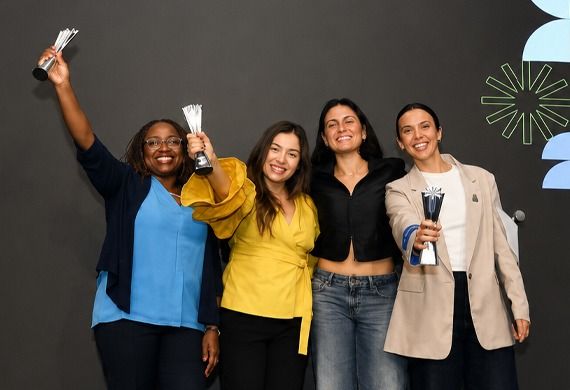 Women's entrepreneurship is becoming relevant around the world as more money is provided by both investors and financial institutions for women who decide to become entrepreneurs.
The mobility company inDrive has partnered with Aurora Ventures to help create more favorable conditions for women entrepreneurs and startups led by women. This will help increase the availability of investments and mentorship for female founders who operate in highly competitive markets.
Meanwhile, Accelerating Angels has raised a 2 million dollar fund which will exclusively be used to invest in companies founded by women. Such a move is aimed at addressing the age-old problem of gender disparity that has kept many women from accessing venture capitalist financing. With specific focus on companies founded by women, the fund aims at accelerating innovation and making investments in diversified leadership teams possible.
Another significant development in the week has been Romania’s emergence as the center of women’s entrepreneurial activities. At BRD, the Calea BRD Program was unveiled to empower women-led ventures through mentoring, business learning, and networking support programs. The initiative is intended to build entrepreneurial self-confidence among women and give them all the necessary tools to build sustainable ventures.
Building on the strong entrepreneurial culture that exists in Romania, three women entrepreneurs were awarded grants amounting to 60,000 euros through the "She’s Next" program.
In the global arena, the year 2027 opened its application window for the Cartier Women's Initiative 2027. The program continues to be the most impactful platform in terms of empowering women changemakers around the world. The program supports socially transformative, environmentally sustainable, and inclusive innovation through women-led initiatives.
These developments point to the recognition of the important role that women entrepreneurs play in innovation, job creation, and diversification. Even more importantly, they reflect the changing face of global startup ecosystems by creating more equity-based funding programs for women.
Women Empowerment & Economic Inclusion: Building Sustainable Support Systems
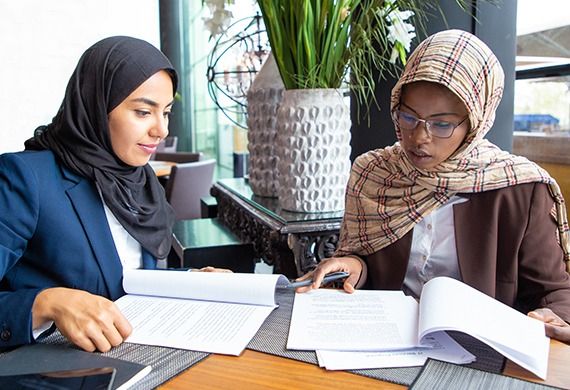 A growing number of governments and organizations around the world are focusing their attention on economic empowerment programs which would help improve women’s financial freedom and participation in local economies over the long term.
One of these recent cases can be found in Nigeria, where the government of Zamfara introduced a series of grants and skills training programs designed to economically empower women. This program is an effort to increase livelihood prospects by providing women from disadvantaged neighbourhoods with necessary resources to become financially independent and enter the entrepreneurial/employment circuit.
Such projects represent an emerging trend around the world, wherein governments start realizing that economic activity on the part of women plays an important role in sustainable community development, poverty alleviation, and overall economic viability of the region.
The move to empowerment models suggests that economic integration is not viewed simply as an exercise in welfare anymore, but rather as a developmental strategy.
Healthcare & Wellbeing: Growing Calls for Gender-Specific Healthcare Systems
This week, healthcare professionals all over Europe have advocated for the development of female-oriented cardiac clinics in light of existing discrepancies between men and women in regard to heart diagnosis, treatment, and research.
 This effort is significant in highlighting that women's cardiovascular health has always been understudied by the healthcare system, even though heart disease remains one of the most prevalent killers of women all over the world.
The conversation is also part of a wider shift in discussions on global healthcare policy, in which policymakers and healthcare providers acknowledge the significance of having gender-awareness in their systems. The discussion highlights a change in approach that encourages healthcare organizations to design a system of healthcare that takes into consideration the biological and societal factors that affect the health of women.
This reinforces the need for changes in healthcare policies to be more inclusive, especially with regard to women-centered healthcare research and facilities.
Sustainability & Innovation: Women-Led Solutions Driving Climate-Conscious Industries
Sustainable innovations kept growing momentum throughout the week, with Mykor securing €46 million for growth and expansion of its green building materials and environmentally friendly building services.
The money will help the company implement green building alternatives designed to minimize the effect on the environment that traditional infrastructure creation may have. In light of the ongoing shift of industries towards climate-awareness, sustainable innovations become essential for meeting future environmental objectives.
Furthermore, this event illustrates the growing connection between sustainability and entrepreneurship, as investors are becoming more interested in companies that can combine profit and environmental performance.
Even more importantly, the emergence of sustainability-focused businesses points to how innovation ecosystems are moving towards an impact-driven approach to business, whereby climate resilience, circular economies, and green infrastructure are quickly becoming key areas of interest.
Women in Arts & Global Representation: Historic Recognition at Cannes
 This is a monumental event in world cinema, as the Japanese actress Tao Okamoto has been named Best Actress at Cannes, becoming part of an important landmark in the history of representation at international film festivals.
It is not just about recognizing an art form; rather, it is about recognizing that there has always been a lack of representation of women in Asian cinema in such international platforms which were typically dominated by Western stories.
This victory also demonstrates the persistence of women artists who have been breaking down barriers within the industry for years and reinventing the structures of global narratives.
On a whole, all of these events that took place in a single week show a steady trend of the global community supporting women’s roles and success in various fields. While the disparities in access to positions of power still remain relevant, it has become clear that women’s achievements are no longer easy to ignore.
Whether from the corridors of power, business incubators, health care sectors, or global cultural stages, women no longer play marginal roles when it comes to change-making. They are now emerging as the key designers of the future global economy and the world of leadership.
Latest Issues
.jpg "Influential Global Women Leaders")
Most Viewed
🍪 Do you like Cookies?
We use cookies to ensure you get the best experience on our website. Read more...
Copyright © All rights reserved. Global Woman Leader Contact Us About