.png)
The global business and leadership landscape was full of stories this week that really showed a strong trend: women aren't only involved in change; they are the ones leading it.
The week was marked by women breaking new ground in various sectors and parts of the world through, among other things, different channels of executive women appointment and AI-driven business expansion, financial inclusion initiatives, women in STEM education programs, health care breakthroughs, increased women presence in the film and fashion industries.
This week's stories highlight the ways in which women's involvement is being prioritized by the organizations in the areas of innovation, governance, sustainability, business growth, and community transformation.
Some of the multinational companies made public their key women-led leadership appointments, which further emphasized that inclusiveness in leadership is a very crucial factor for successfully dealing with global markets.
However, at the same time, statistics and analyses have drawn attention to the fact that female economic reality remains a challenge in certain areas such as investment participation and credit access.
Healthcare and education remained the focus of attention over the whole week. Women's health-related healthcare organizations, educational collaborations, and industry dialogues highlighted the growing global attention to female health and wellness, presence, and power.
At the same time, efforts that are promoting women as business owners, women as brokers, women as teachers, and women as artists have exposed further that companies across different sectors are women are in act of creating paths for women to move up.
GWL Week Wrap this time collects together the most news stories of the week and sort them into main topics that are giving a global perspective on women leaders, women working in the economy, women inventors, and women making a difference in society.
Women Leadership Appointments, Corporate Governance & Executive Mobility
The business world has seen quite a number of big changes in leadership roles this week, showing how woman executives have been getting more and more power not only in retail but also in finance, sustainability, media, technology, and aviation retail.
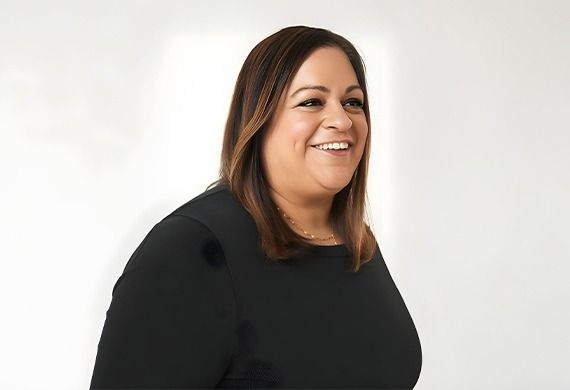 Anthropologie Group has elevated Anu Narayanan to the position of Global President of Women's, Home, and Retail. This move unlocks a whole new range of leadership opportunities for her across global merchandising and retail operations. Anu's significant contributions to the corporate transformation of Anthropologie into a broader lifestyle brand along with category growth and increased customer engagement in international markets have been key drivers of the company's continued success. It is because of this and the trust in her strategic vision and retail know-how that she has been named to this position.
Jacobs named Cheryl Lim as their new Chief Human Resources Officer, a move that demonstrates the company's commitment to enhancing its culture and changing the workforce. Cheryl's hiring is a reflection of global companies that are focusing talent development, leadership culture, and employee wellbeing, among other things, as the top priorities of business.
ISS STOXX has appointed Julia Leske as Head of Sustainability Business for the Asia-Pacific region. This move reaffirms the growing significance of environmental, social and governance (ESG) as well as sustainability leadership for global finan- cial market players. Julia will act as an influential figure in driving sustainability at the company as well as strengthen its presence in the economies that are more and more oriented on responsible investing like those in the region of Asia-Pacific.
Mada Media revealed that they have appointed Aditi Khare as Chief Marketing Associate. This signifies the growing participation of women in media leadership and strategic brand communications. As marketing and digital storytelling are becoming key tools for business nowadays, this appointment gives Aditi an important role in molding how businesses connect with their customers and increase their visibility.
Travel retail company Heinemann named Rosi Fernandez as the Managing Director for Oceania. The new appointment underlines the company's dedication to ramping up its regional leadership while also increasing its operational footprint in the Oceania market.
Sun Life has named Bianca Ilibasic as Managing Director for Global Solutions, thereby contributing to the increased female leadership representation in the financial sector. This move is highly aligned with the company's global strategy of rolling out customer-centric financial solutions and driving innovation.
Work management platform Asana has appointed Jo Gaines as General Manager for the Asia-Pacific region. This decision of Asana is in line with growing competition and expansion of digital workplace solutions in the APAC markets. It is hoped that Jo's leadership will be able to not only support business growth in these regions but also enhance the relationships with enterprise partners.
Taken together, these appointments revealed that there is a greater global corporate culture change where women leaders are coming to play a major role in strategic decision-making, business transformation, and international expansion functions.
Women in AI, STEM Education & Digital Transformation Leadership
Technology, artificial intelligence (AI), and Science, Technology, Engineering, and Mathematics (STEM) education were among the most prominent themes throughout the week, with several initiatives shining a light on how women are being equipped for the economy of the future.
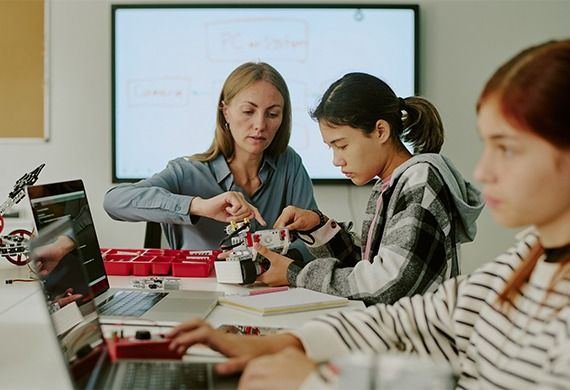 General Motors Africa & Middle East has joined forces with the Egyptian non-profit academic institution Tanweer to roll out a STEM and technology certification course for women educators in Egypt. The program is intended to provide credentialing to approximately 75 female teachers through mentorship and training that is technology centered. The partnership is a demonstration of GM's overall dedication to enhancing STEM learning and fostering future-ready talent ecosystems in the Middle East and Africa.
The program holds particular importance due to its potential impact in reducing the increasing disparity in technology skills among Egyptians. With certifications, mentoring and training post-certification, the women teachers will have enhanced their digital and STEM skills, thus allowing them to serve as better mentors to the next generation of learners.
EY Hanyoung spearheaded a project in the Asia-Pacific region, which sought to enable female business leaders to leverage their knowledge of artificial intelligence and business transformations. The development emphasizes the importance of women in leadership roles in light of developments in artificial intelligence.
Furthermore, it is clear that the initiative is part of a larger trend within corporations of embracing responsible and inclusive AI implementation. Women in leadership positions in APAC are more frequently being encouraged to play a role in determining AI-led strategy, as opposed to merely responding to it.
June Goh was awarded the Gold Stevie Award for AI Innovation Leadership, acknowledging the impact of her work in the advancement of AI innovation and leadership excellence. This award further highlights the increasing involvement of women in the field of advanced technology and innovation.
Overall, the above highlights how women are becoming more involved in technology transformation, digitalization, and education.
Women’s Financial Inclusion, Wealth Creation & Economic Empowerment
This week saw various studies and programs devoted to female financial inclusion, wealth creation, and economic empowerment, despite the continued existence of many structural obstacles.
According to the UBS report, female financial power keeps rising worldwide despite the relative lack of women’s involvement in investing activities. Indeed, female financial power was presented as being driven by higher income levels, entrepreneurship, and financial asset ownership on one hand and by the necessity of raising financial literacy and involvement in investing activities on the other hand.
These findings reflected an essential global trend in which female financial power keeps rising but there is still much work to be done in regard to female involvement in investing activities.
There is also evidence of another study emphasizing that credit constraint still constitutes an impediment to Nigerian female entrepreneurs and professional women. The implications of the findings indicate that there are still issues related to financial inclusion that women are encountering in the context of developing countries due to the inequitable access to funding facilities.
This study once again confirms the necessity for more effective policies, financial institutions, and strategies regarding providing financing to women-owned enterprises.
AccessBank organized the first meeting in the framework of its campaign “Access2Success” in the city of Guba. The objective of the gathering was to promote female involvement in entrepreneurial activities and business management.
This showed how increasingly financial institutions were becoming important in helping women-led businesses through networking, training, and developing entrepreneurial ecosystems.
On the other hand, Allianz became a member of the Mortgage Choice program aimed at helping women brokers. The partnership is expected to help create better prospects for women in the mortgage and financial advice fields.
These events altogether served to highlight both the successes and problems associated with women’s economic empowerment. Even though women are gaining more financial power across the globe, access to finance and investments still needs much consideration.
Women’s Healthcare Innovation, Wellness Leadership & Femtech Growth
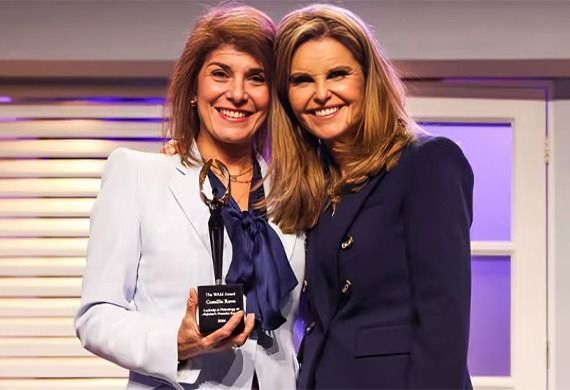 Women’s wellness and health remained a key focus area for organizations and leaders, who received awards for contributing to the field of women-oriented healthcare.
Camille Ruvo was one of the many professionals celebrated for their work in the realm of women’s health at the Global Women’s Health and WAM Forum. This highlights the rising importance of advocacy, healthcare, and leadership in the field of women’s wellness around the world.
While discussions about women’s health have moved beyond just that of healthcare issues, recognition programs like the Global Women’s Health and WAM Forum are crucial in bringing together the leaders who aim to transform the system.
A women’s healthcare company, Hologic, posted high growth numbers for the quarter, which is indicative of the rising global demand for healthcare technology that caters to women. These growth figures point to the growing investment in the field of women’s healthcare.
High growth numbers also indicate rising awareness about preventative care, diagnostics, and innovative technologies meant specifically for women’s healthcare. With rising attention being paid to women’s health by healthcare providers around the world, businesses in femtech and women’s healthcare are benefiting from rising momentum.
These stories showed rising trends regarding innovation and innovation in women’s health and recognition of healthcare leaders.
Women’s Homeownership Trends, Financial Independence & Real Estate Growth
It was evident from this week that there were changes in social and economic trends associated with women's independence and financial decision-making.
There is evidence indicating that single Gen-Z women are ahead of their male counterparts when it comes to owning homes in the United States. The study reveals changes in the way young women perceive finances, as most of them seem to be more independent and willing to make informed choices regarding property ownership.
There is also the changing nature of social dynamics that have been created by an increased emphasis on independence, financial assets, and wealth creation among young women.
The report indicated the extent to which young women have changed conventional economic trends with regard to property ownership and independent living.
Women in Fashion, Retail, Media & Creative Industry Leadership
Some significant happenings have been seen in the realms of fashion, retailing, and creative industries with regard to how women have made their presence felt globally this week.
The Council of Culture and Women Entrepreneurs (CCWE) announced the establishment of South Asia Women’s Fashion Week. This initiative will help in increasing visibility and prospects for female designers, entrepreneurs, and fashion professionals in South Asia.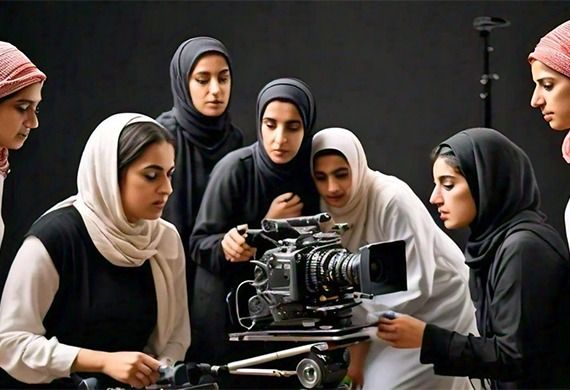
This marks the significance of establishing inclusive fashion ecosystems, where women designers get exposure and chances to grow their businesses on an international level.
Netflix and AFAC have partnered together in developing an empowerment initiative for women in the film industry. The program focuses on mentoring, coaching, and training aspiring women who work in the world of films and filmmaking.
Initiatives such as these become more important by the day in bridging existing gender gaps in terms of representation and skill development in the entertainment industry.
As such, this week's stories highlight how women continue to impact fashion, media, entertainment, and retail worlds as both creators and businesswomen.
Conclusion: The Rising Global Influence of Women Across Industries
In this week's GWL Week Wrap, several developments around the world have been covered, focusing on how women have excelled in their various fields as well as influencing future directions within the different sectors.
From board rooms, technological ecosystems, healthcare meetings, entrepreneurship programs, and even art forums, women continue to show their strength through breaking down barriers.
What was also evident from the week's coverage was the need for women to play transformative roles by influencing the direction that businesses take, AI technology adoption, financing and infrastructure development.
However, in the same breath, access to financing, mentorship, financial and technological infrastructures, among other resources is necessary for sustained achievements.
With women continuing to make their mark through investments in innovation and growth, the story of leadership on a global scale continues to change. The events of this week serve to further reinforce the fact that women do not just have a part to play in the future; they are creating it.
Latest Issues
Most Viewed
🍪 Do you like Cookies?
We use cookies to ensure you get the best experience on our website. Read more...
Copyright © All rights reserved. Global Woman Leader Contact Us About